
_1747114839_WNo_355d355.png)
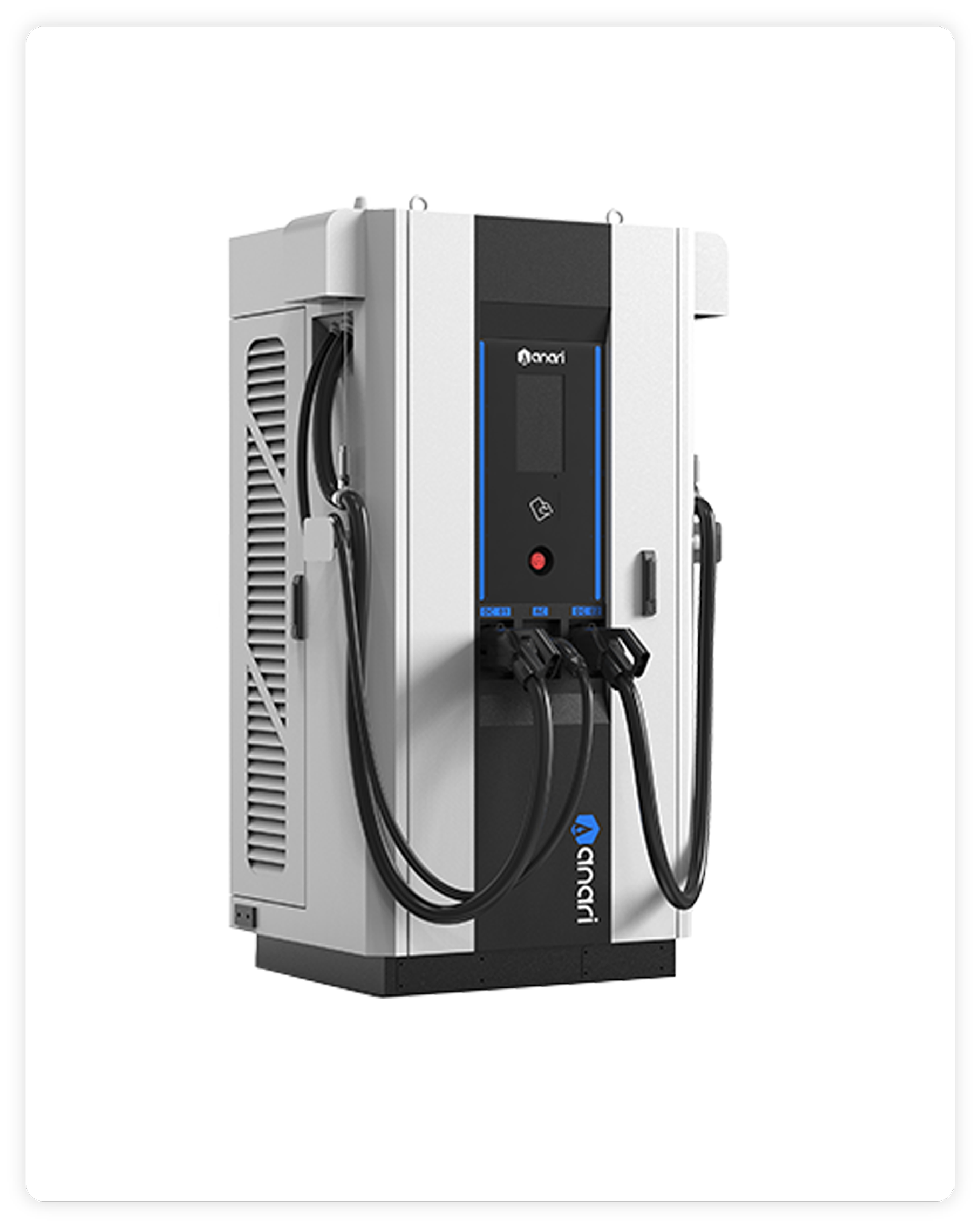
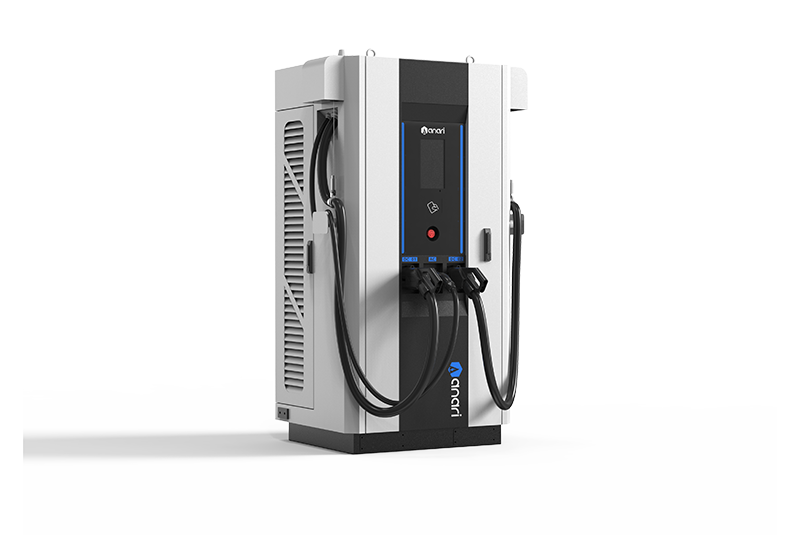
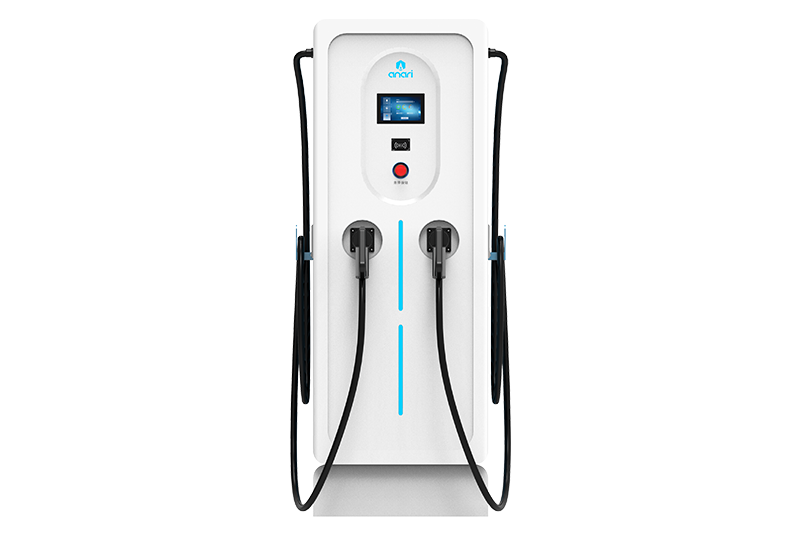
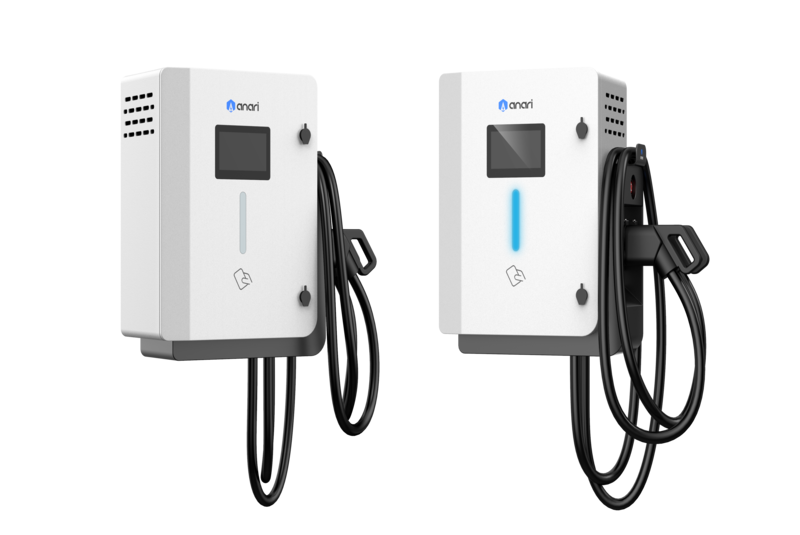
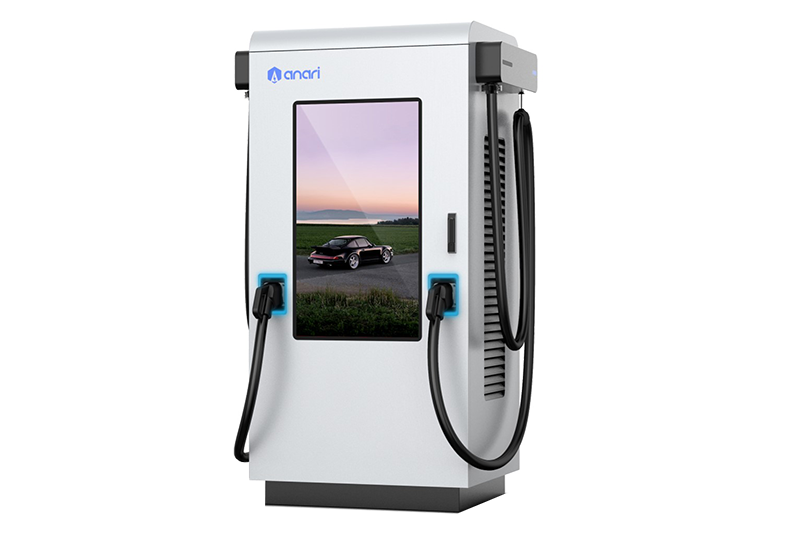
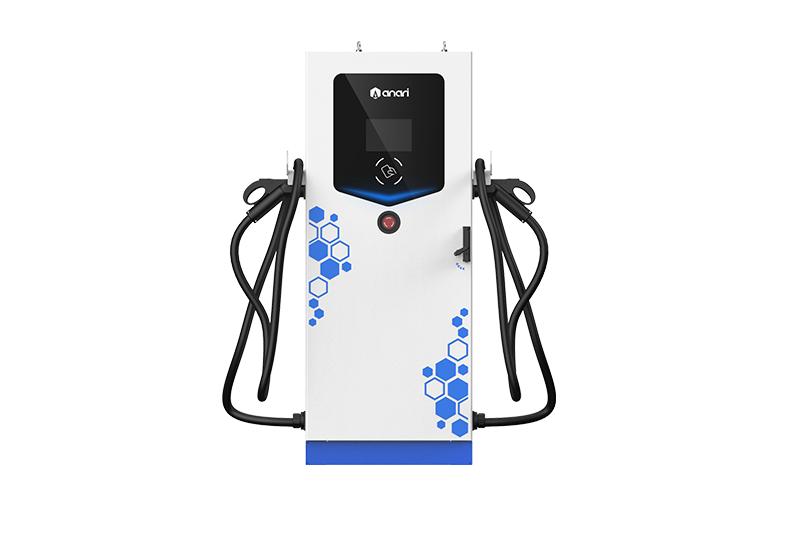
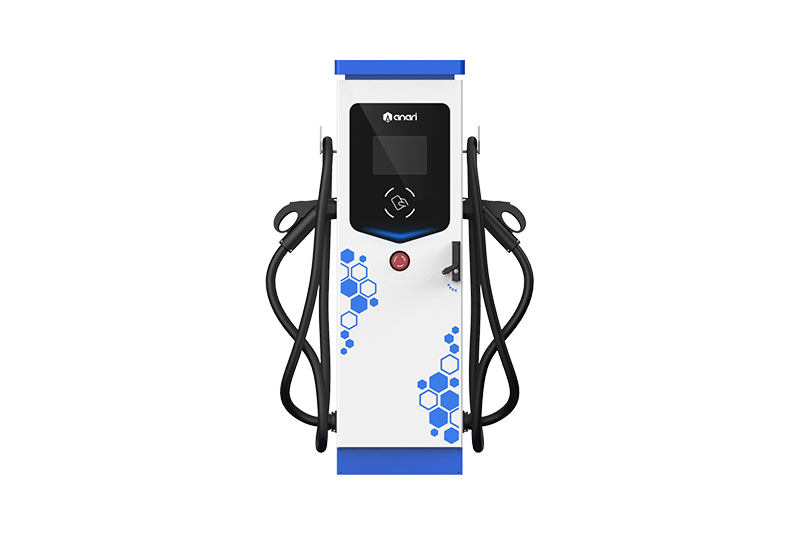
DC fast charging accelerates EV power-up times, enabling businesses to serve more customers efficiently, boosting station turnover and appealing to convenience-driven clients.
_1747114851_WNo_355d355.png)
Rapid EV charging minimizes downtime, driving higher footfall and sales opportunities for your business.
_1747114874_WNo_355d355.png)
DC fast charging offers a competitive edge, attracting EV drivers in underserved markets and fostering customer loyalty.

Fast charging showcases your eco-commitment, boosting brand reputation among sustainability-minded consumers.

DC fast chargers meet green regulations and unlock incentives, future-proofing operations in evolving markets.
_1747114918_WNo_355d355.png)
Monetize fast charging stations to create new revenue streams and offset infrastructure costs.
DC fast chargers enhance sustainability and attract EV drivers across industries like supermarkets, education, workplaces, healthcare, parking, residential, entertainment, green housing, property development, restaurants, hospitality, and cargo transport.

DC charging delivers direct current directly to an EV’s battery, bypassing the onboard AC/DC converter. This allows for significantly faster charging compared to AC charging, as the conversion happens externally in the charger. DC chargers are commonly deployed at motorway service stations, fleet depots, and high-traffic
The key difference lies in where AC power is converted to DC. With AC charging, conversion occurs via the vehicle’s onboard charger, which limits speed. DC charging performs this conversion externally, enabling higher power delivery and faster charging—ideal for commercial fleets and quick-turnaround operations.
Rapid DC chargers typically deliver 50–99 kW, providing an 80% charge in 40–60 minutes. Ultra-rapid DC chargers supply 100–350+ kW, reducing charging time to 15–30 minutes for compatible vehicles. Vehicle charging capability determines actual speed, so charger selection should align with operational needs and future scalability.
Choose based on power requirements and fleet usage:
• 50 kW: Suitable for small to medium fleets with extended break periods.
• 100–150 kW: Ideal for busy depots, reducing charging time to ~30 minutes.
• 150–350 kW+: Optimal for high-use fleets and future-proofing, enabling 15–25 minute charges.
Most modern EVs use CCS connectors; ensure compatibility during selection.
Charging time depends on charger output and vehicle acceptance rate:
• 50 kW: 40–60 minutes to 80% SOC
• 100–150 kW: ~30 minutes
• 150–360 kW+: 15–25 minutes
Charging slows beyond 80% SOC to preserve battery health.
Our chargers maintain full functionality in extreme climates ranging from -30°C to 50°C (-22°F to 122°F), a critical feature for outdoor installations. Thermal management systems with automatic load adjustment guarantee stable performance across this spectrum, meeting global operational standards.
DC charger installation requires adequate electrical capacity. A site survey assesses available power, identifies necessary upgrades, and ensures safe integration. Load management systems prevent overloads by dynamically distributing available power across multiple chargers.
Smart DC charging systems optimize energy use through load management, prioritization, and real-time monitoring. They integrate with fleet management software to automate charging based on schedules, grid demand, and vehicle availability—maximizing efficiency and minimizing operational overhead
While upfront costs are higher than AC, DC charging reduces vehicle downtime and operating expenses. ROI is enhanced through improved fleet utilization, potential public charging revenue, and available UK grants or tax incentives. A detailed site assessment helps accurately forecast costs and benefits.
DC charging suits fleets requiring minimal downtime—such as logistics, taxis, or service vehicles. It supports rapid turnaround and operational scalability. Even for mixed fleets, installing DC infrastructure future-proofs your site against evolving EV adoption and sustainability targets.


A DC EV Charger Guide provides essential information on how to effectively use and install DC fast chargers for electric vehicles. It covers key aspects such as selecting the right charger based on power output and compatibility with different EV models, understanding the installation requirements for various environments, and ensuring compliance with safety standards.
The guide also offers insights into optimizing the charging process, including tips on minimizing charging times and integrating chargers with existing infrastructure. Whether you’re setting up a public charging station or a commercial fleet operation, this guide helps you make informed decisions to ensure efficient and reliable EV charging















.png)


